Augusta
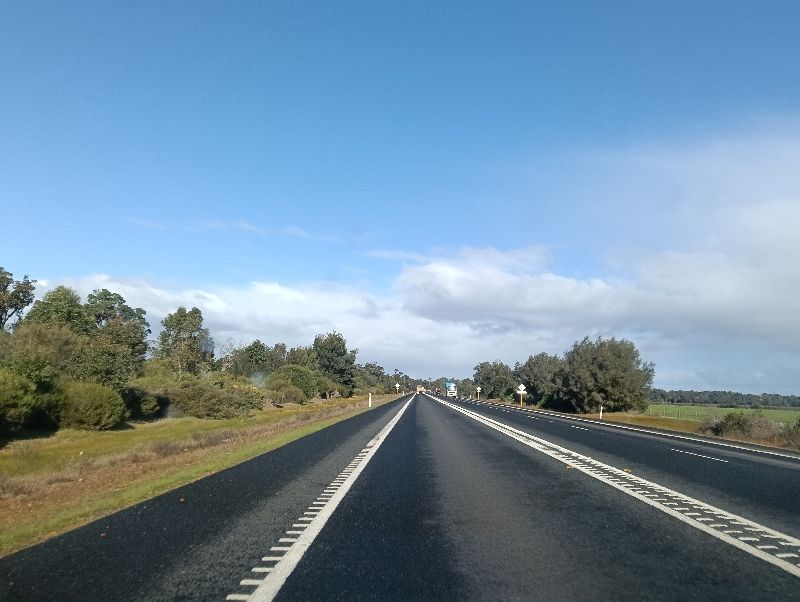
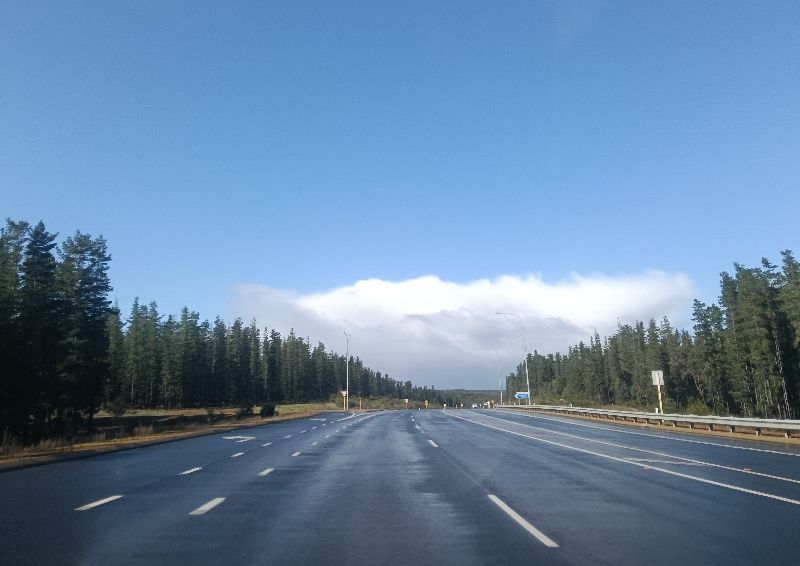
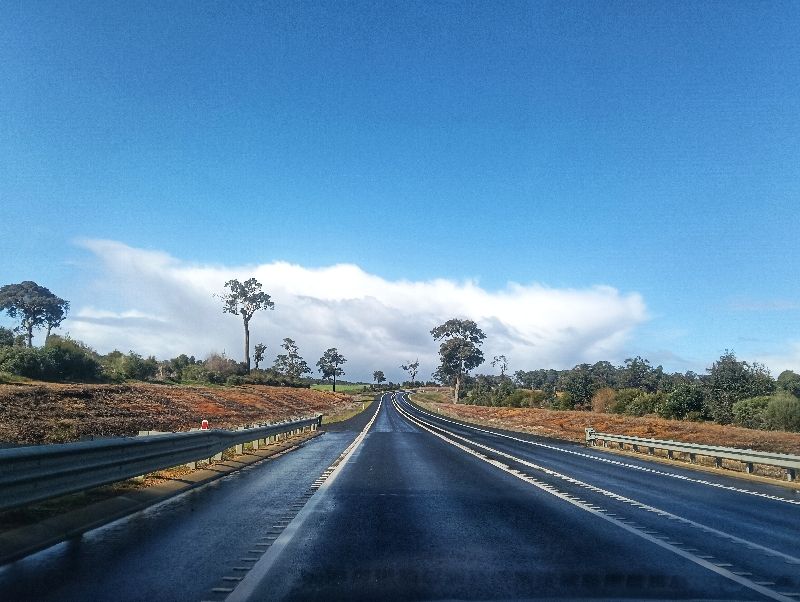
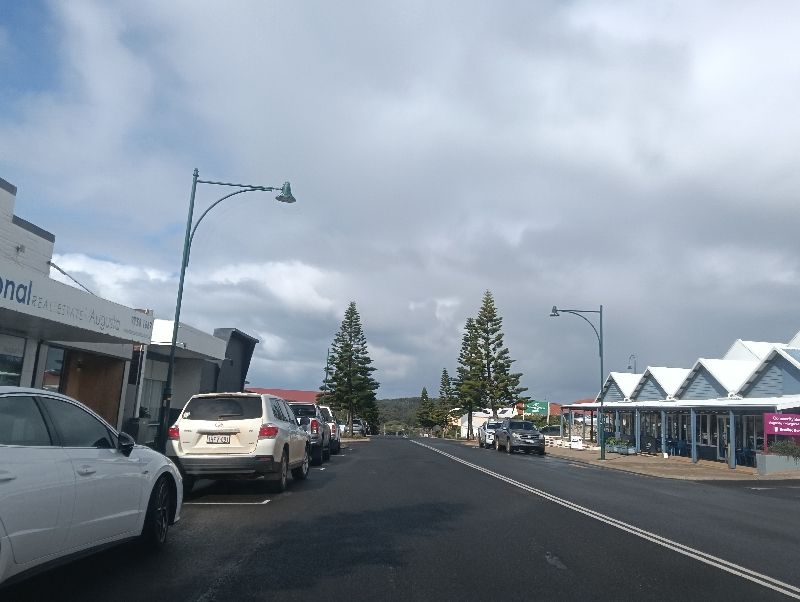
Augusta is a town on the south-west coast of Western Australia, where the Blackwood River flows into Flinders Bay. It is the nearest town to Cape Leeuwin, on the furthest southwest corner of the Australian continent.
Cape Leeuwin Lighthouse
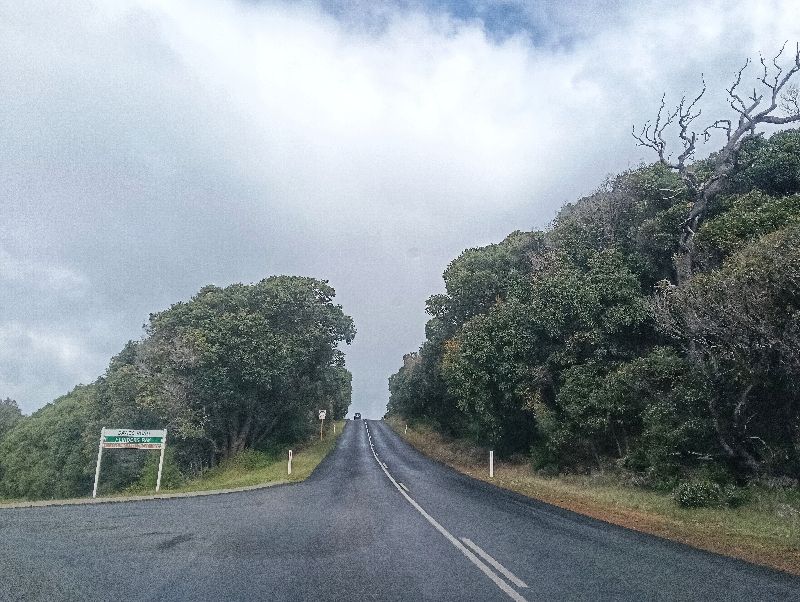
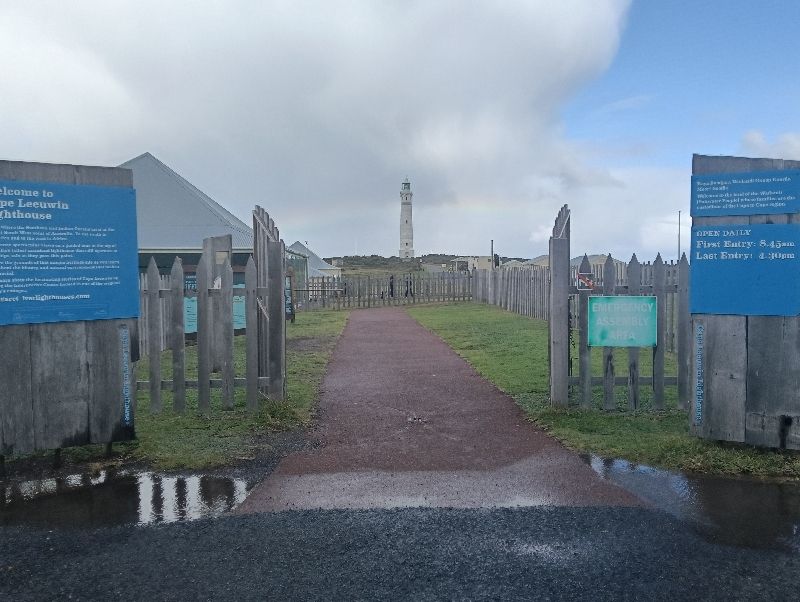
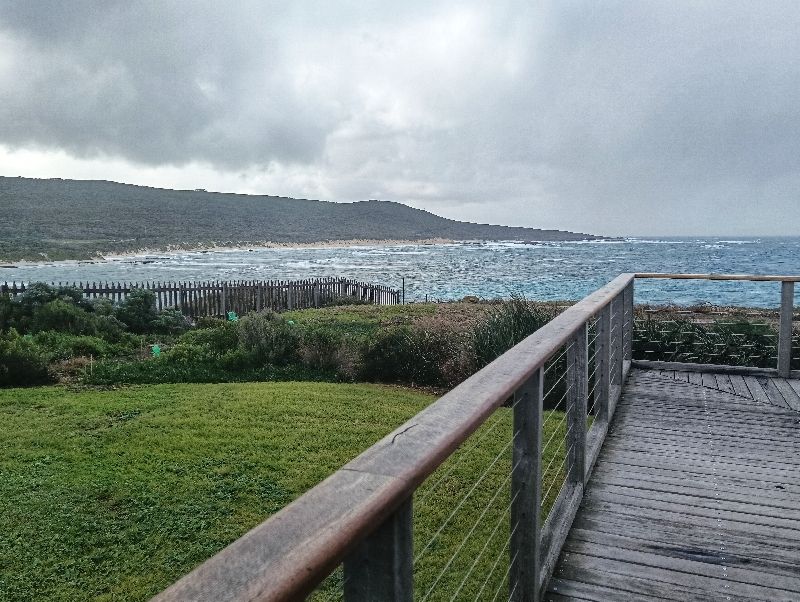
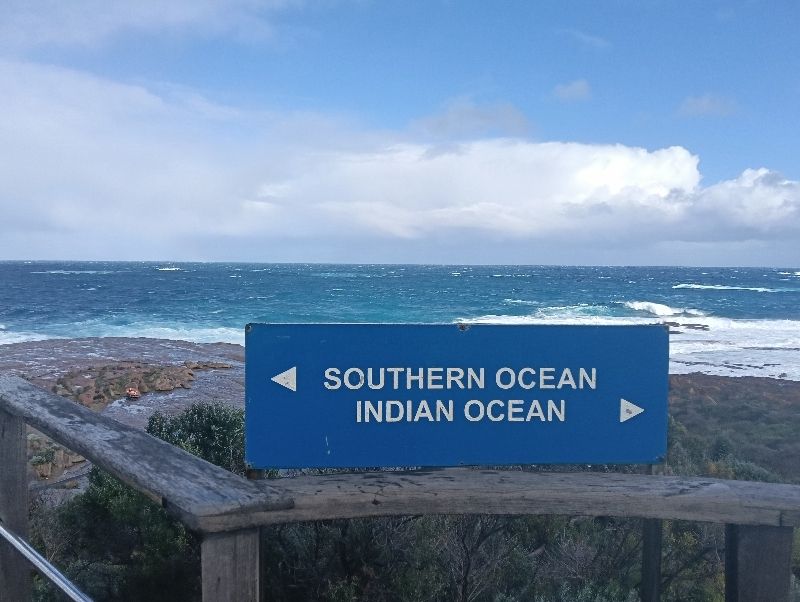
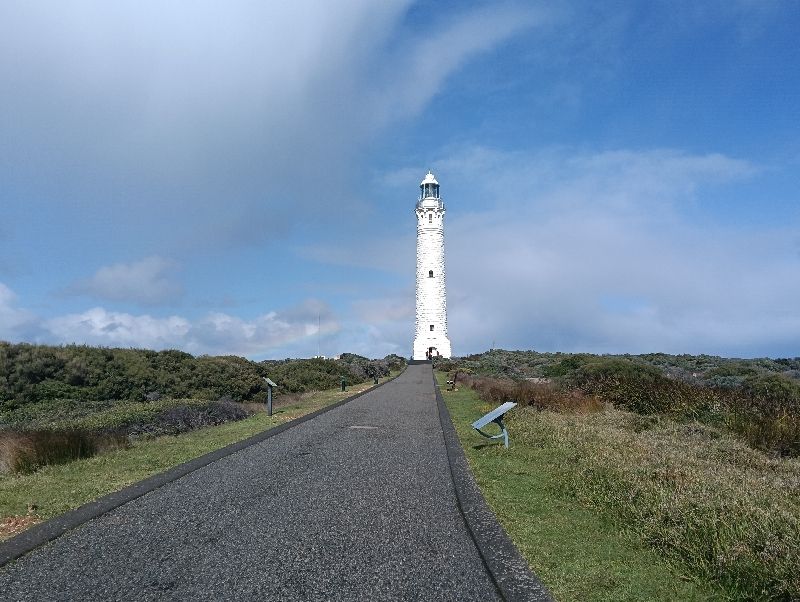
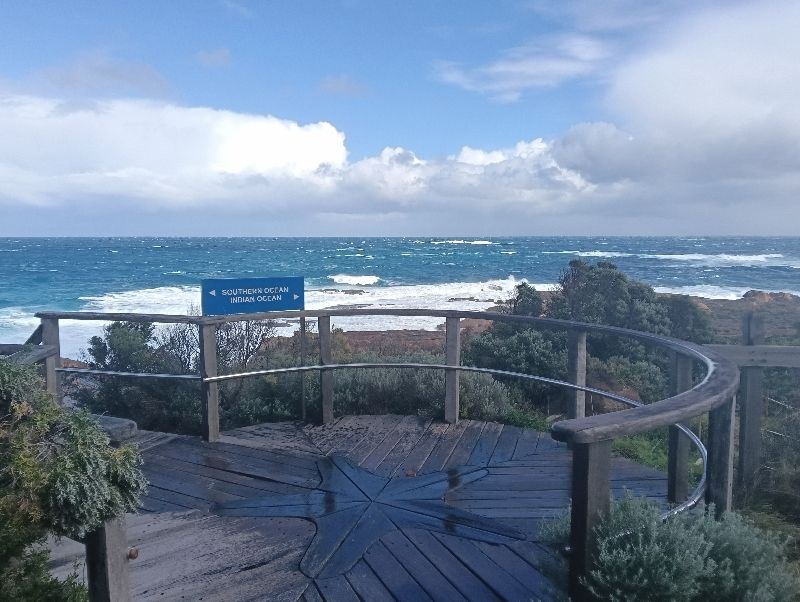
Cape Leeuwin is Australia’s southwesternmost mainland point, famous for being where the Indian and Southern Oceans meet, marked by the historic Cape Leeuwin Lighthouse, the tallest on mainland Australia, offering stunning views, whale watching, and access to the scenic Cape to Cape Track.
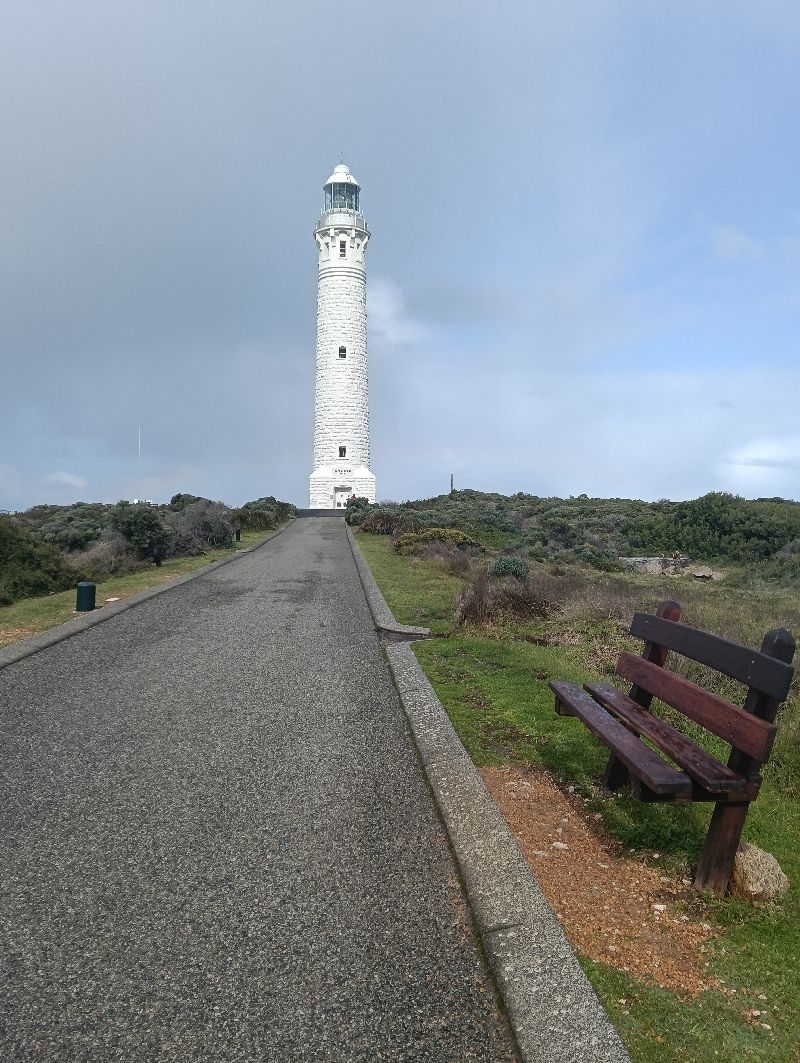
Named after the Dutch ship Leeuwin, it’s a significant maritime landmark with rugged coastlines, historic lightkeeper’s cottages, and a rich history of maritime exploration and shipwrecks.
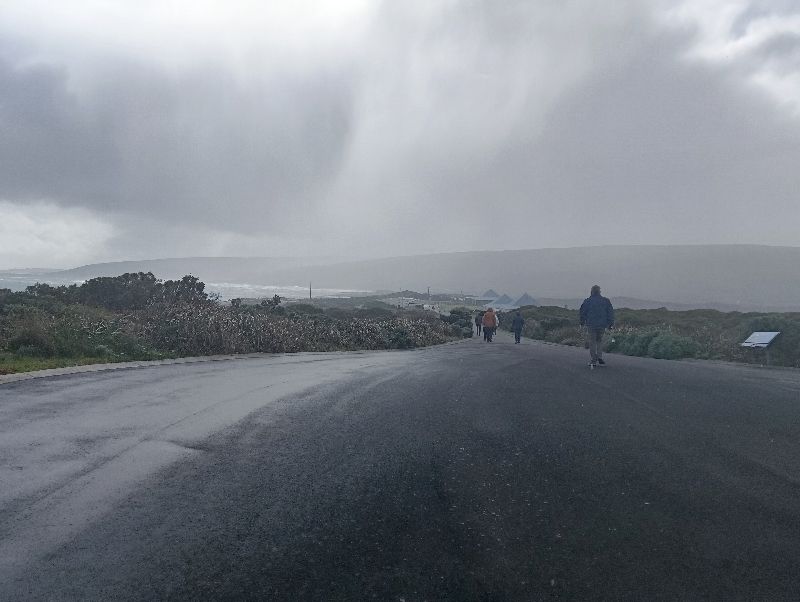
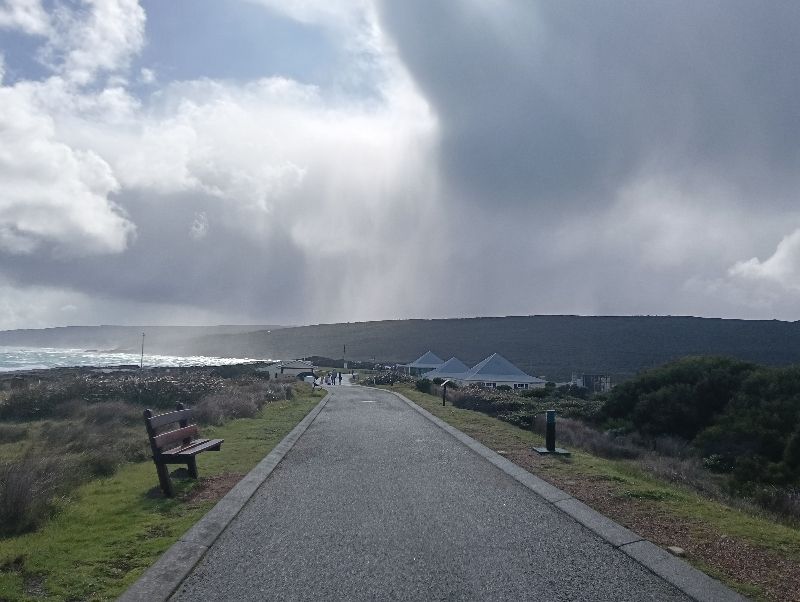
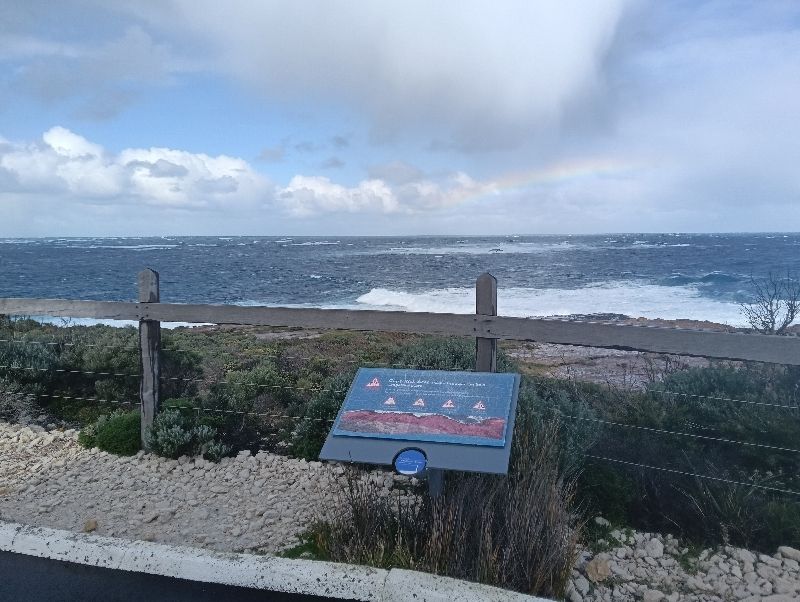
It’s a 15-minute drive from the town of Augusta to reach the cape. You can drive from Perth to Augusta in under four hours, or hop on a 50-minute flight from Perth to Busselton and shorten the drive to just over an hour.
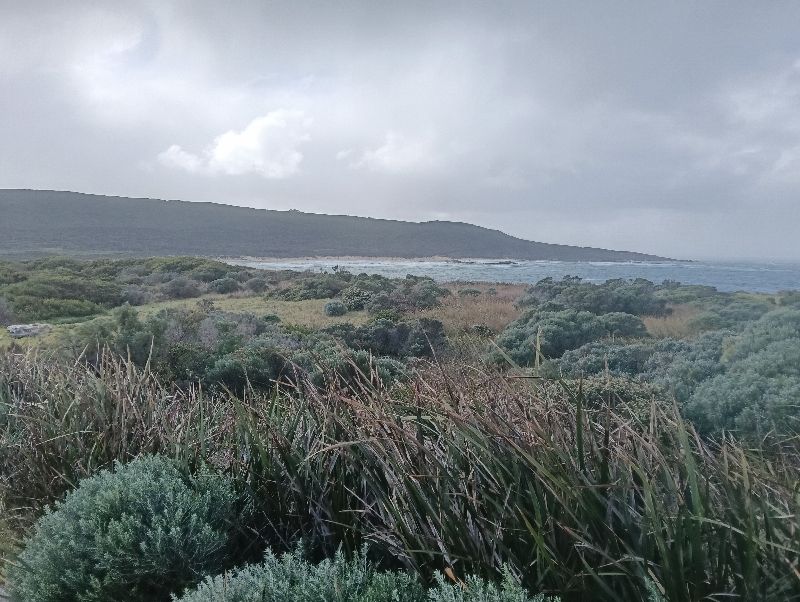
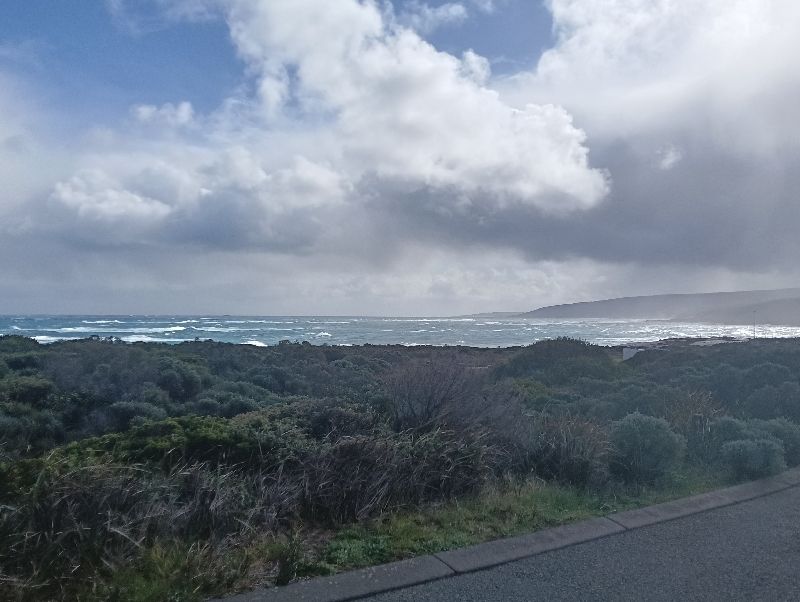
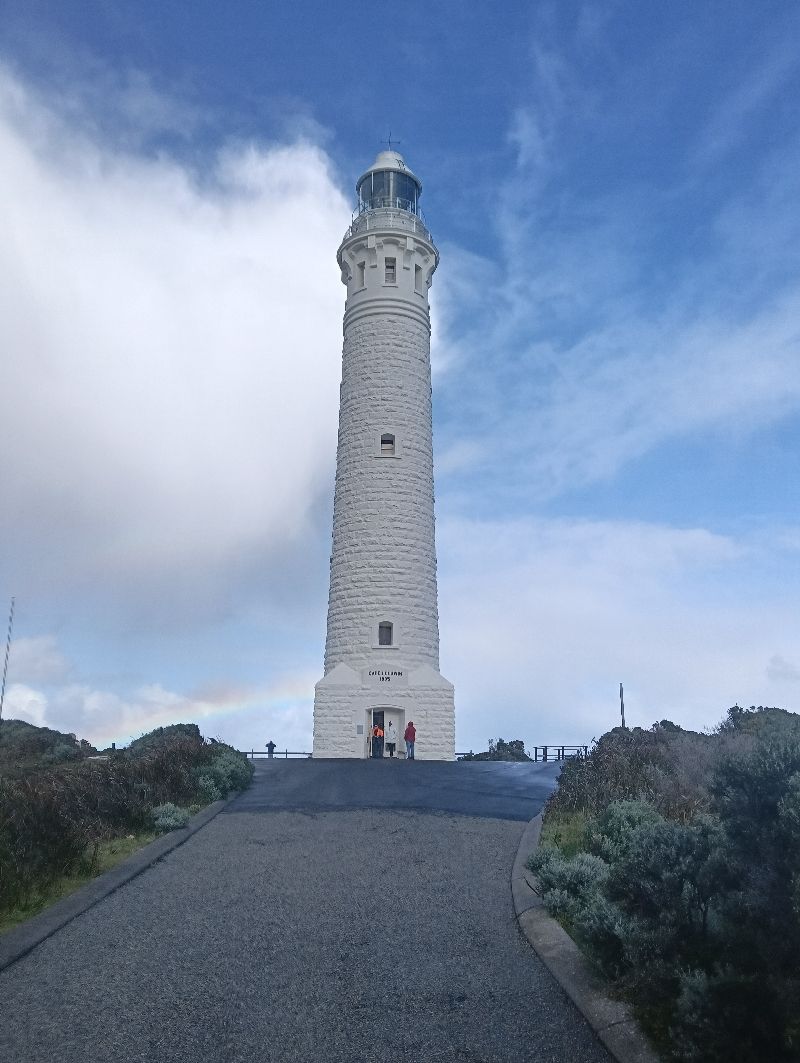
The Cape Leeuwin Lighthouse is located at Australia’s most south-westerly point, where the Indian and Southern Oceans meet.
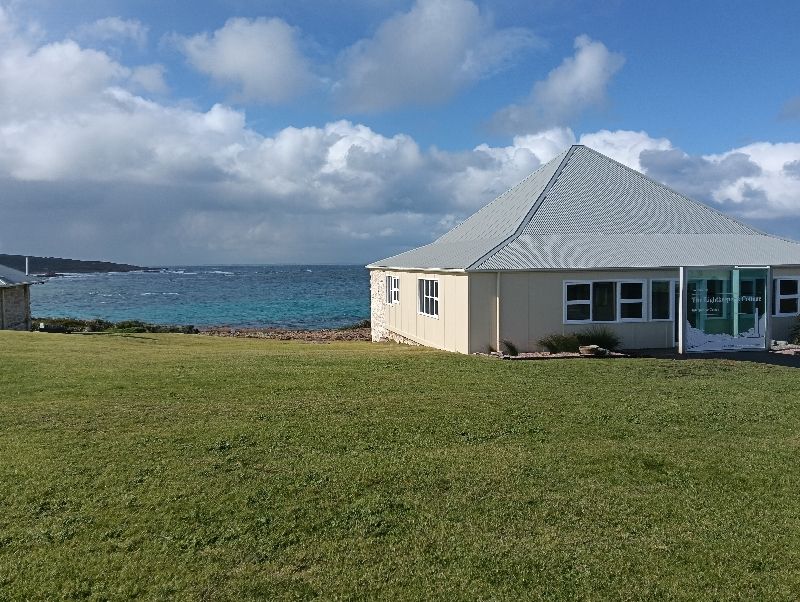
It remains an active and vital working lighthouse managed by the Australian Maritime Safety Authority (AMSA).
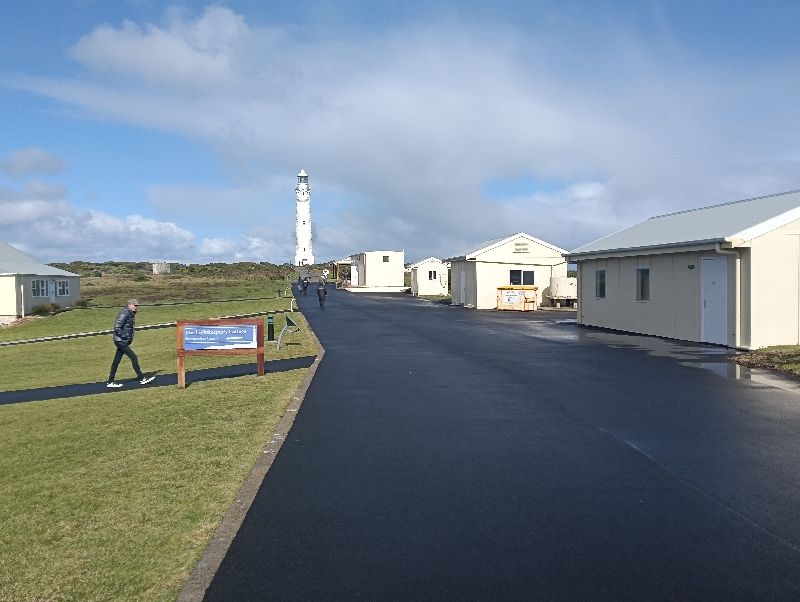
Completed in 1895 and first lit in 1896, it is the tallest lighthouse on mainland Australia, standing at 39 meters tall, and continues to operate as an aid to maritime navigation. Visitors can take guided tours to the top, explore the keepers’ cottages, and learn about the history of the area.
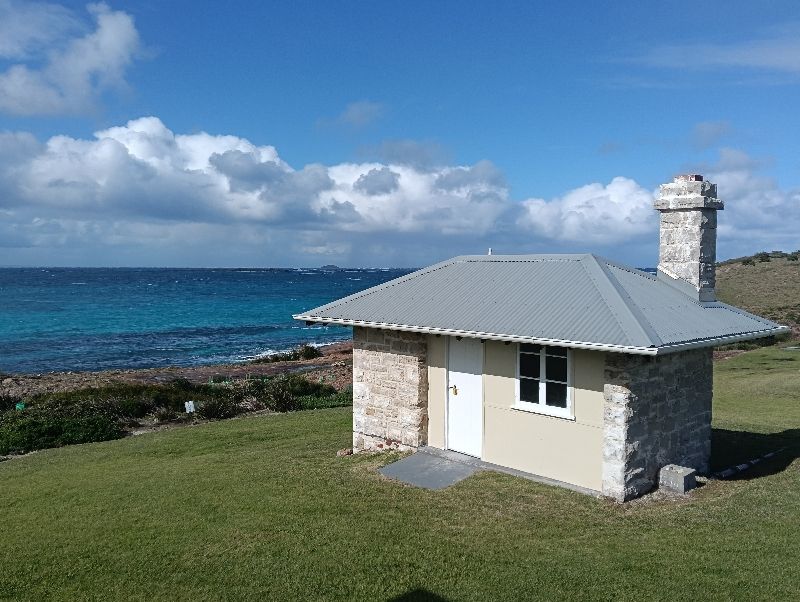
It operated manually with a clockwork mechanism until 1982, making it one of the last in the world to be automated.
Visitor
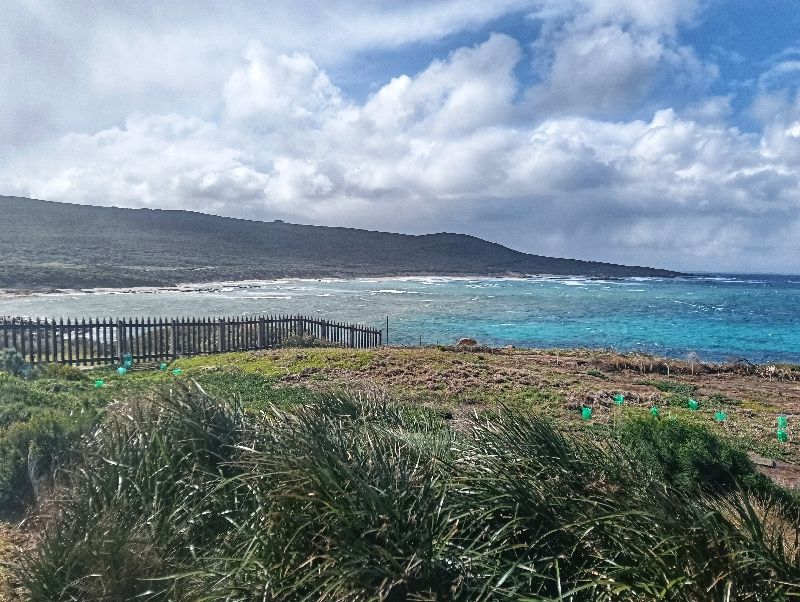
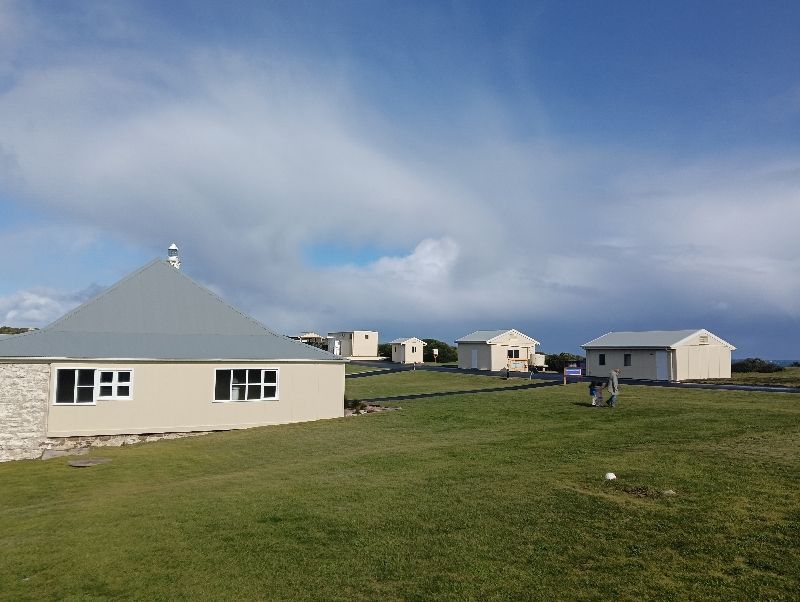
Guided tours allow visitors to climb the 176 steps to the top, learn about the lighthouse’s history, and see the impressive lens up close.
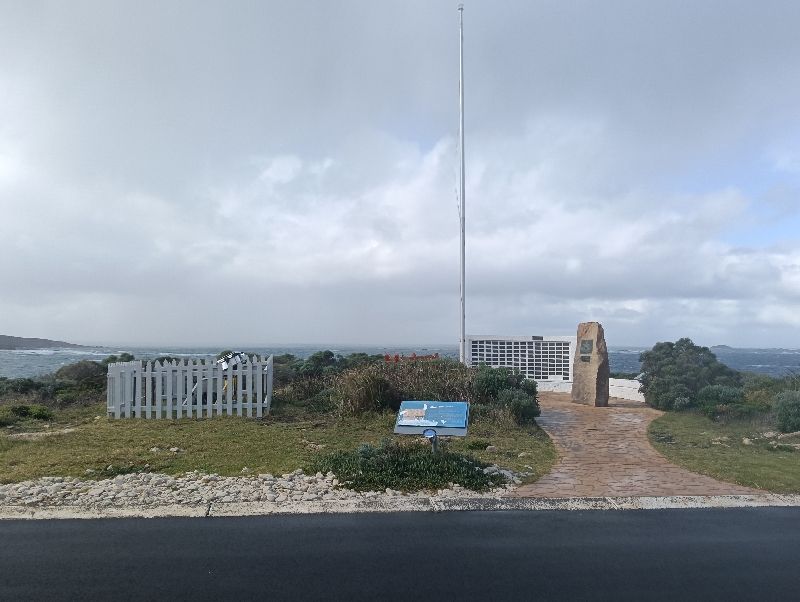
Mammoth Cave
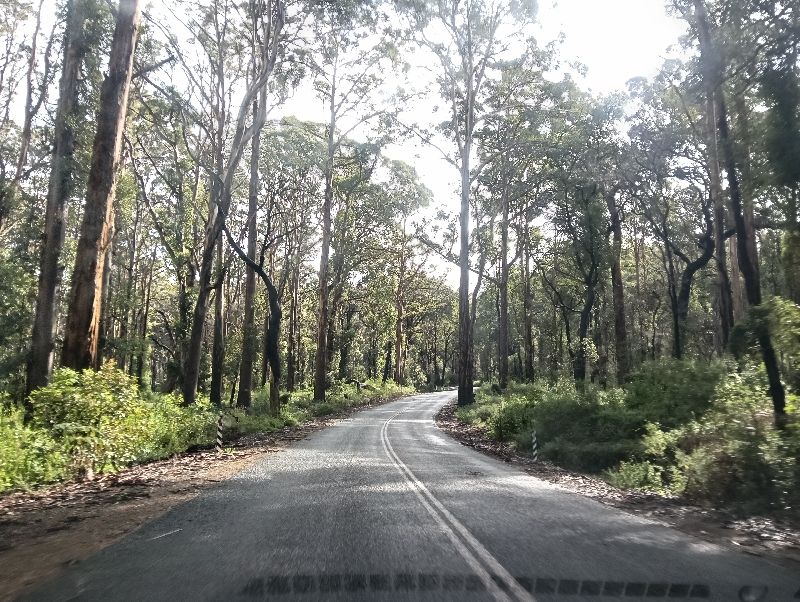
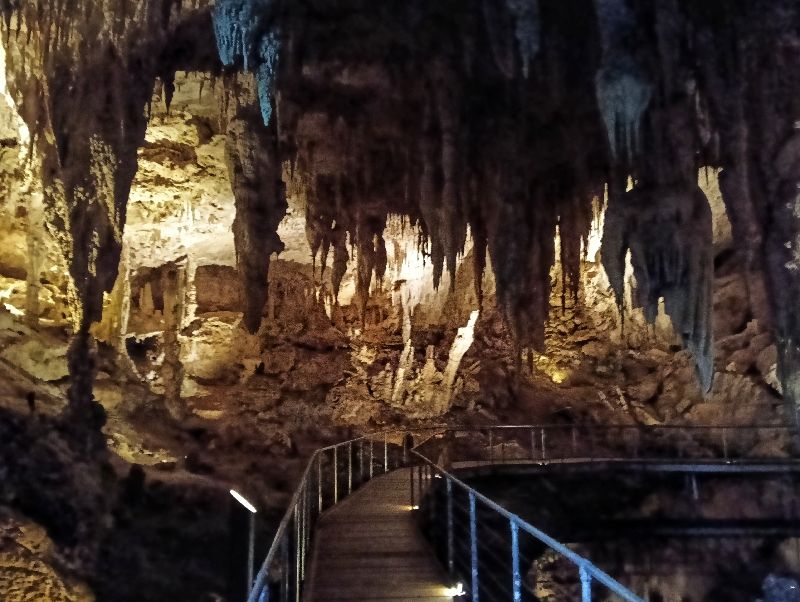
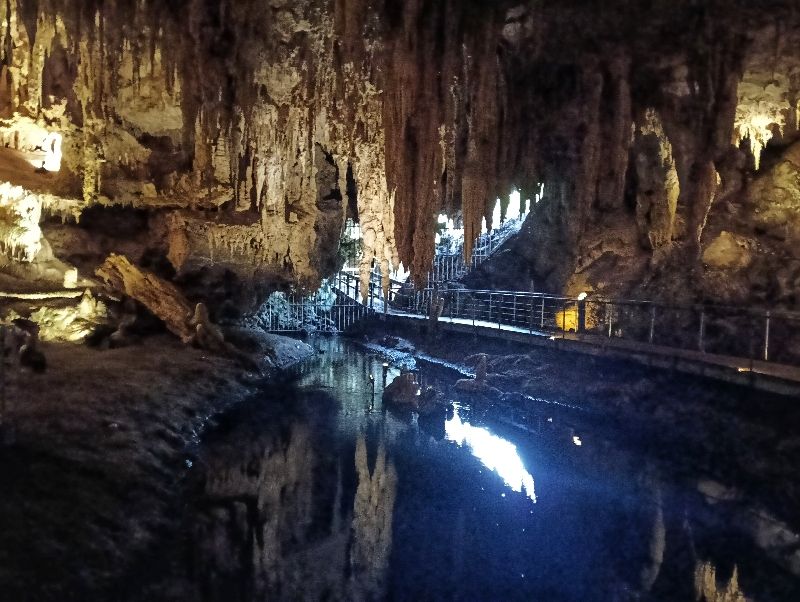
A natural time capsule, once home to ancient fossil remains of long-extinct Australian Megafauna. Nestled within the stunning karri and marri forest, Mammoth Cave is a site of incredible natural and historical significance.
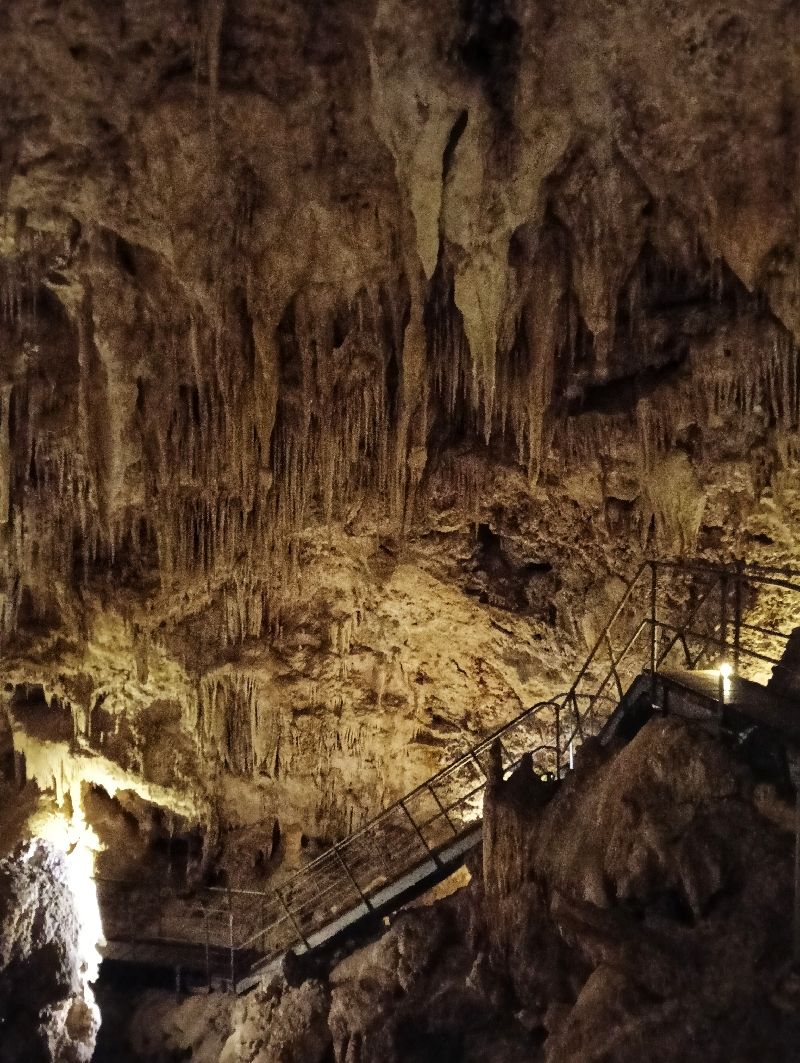
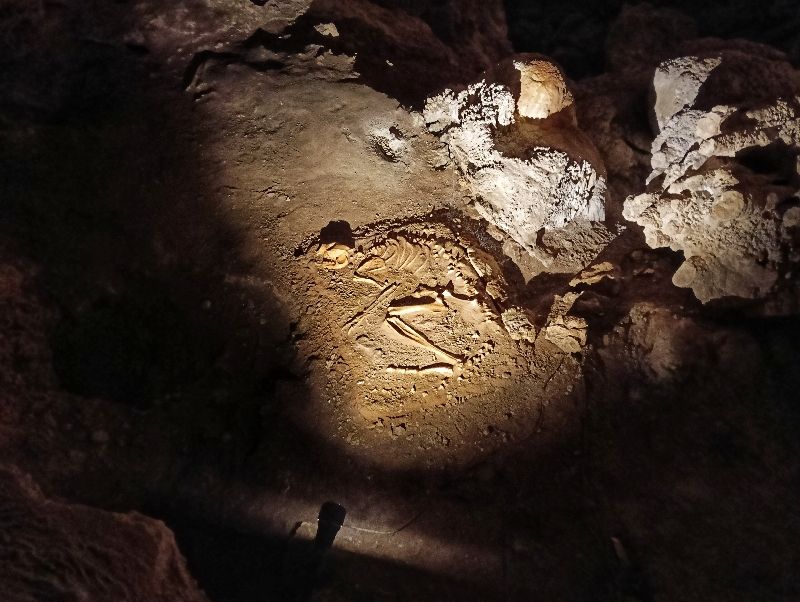
Once home to ancient fossils of Australia’s megafauna—giant animals that roamed the Earth before their extinction around 46,000 years ago—the cave offers a fascinating glimpse into the past.
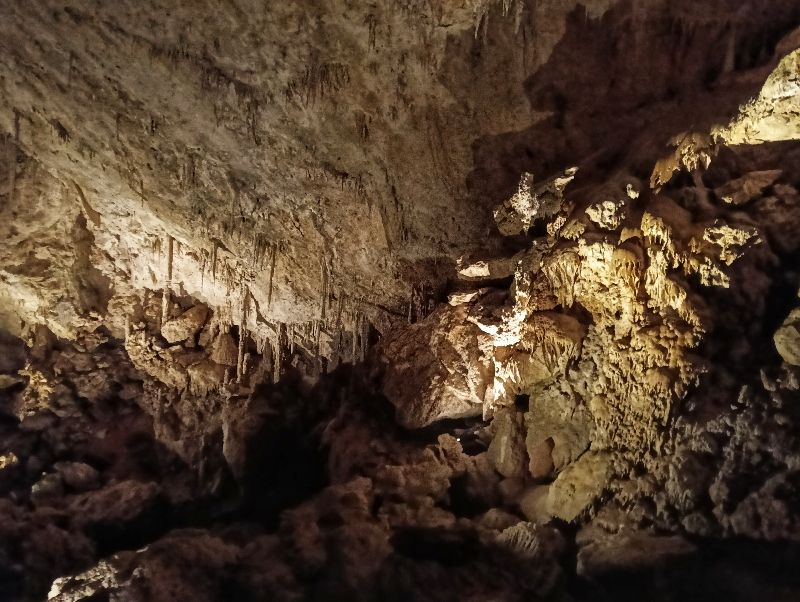
Don’t miss the 50,000-year-old zygomaturus jawbone, a relic of a large wombat-like herbivore, still embedded in the cave wall.
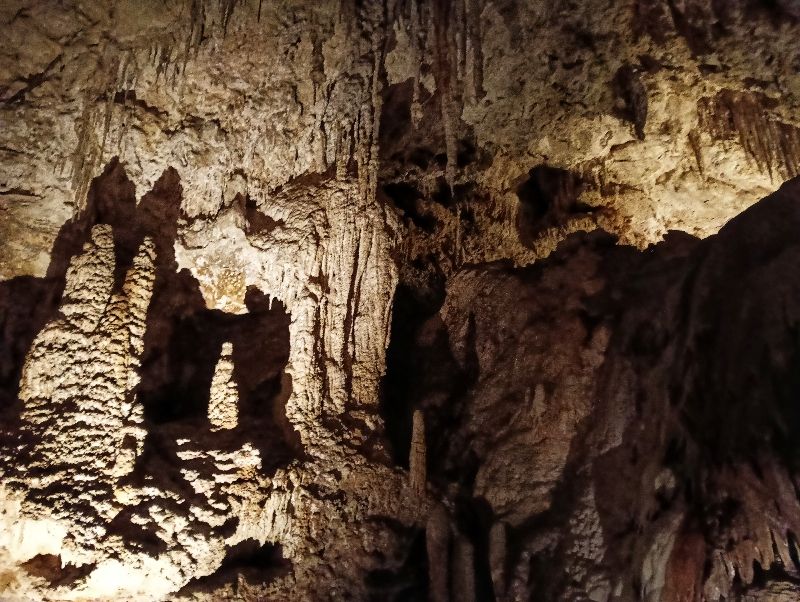
Self-guided audio tours, available in English, French, German, Malay, and Mandarin, allow you to explore at your own pace while learning about the cave’s fascinating history and natural features.
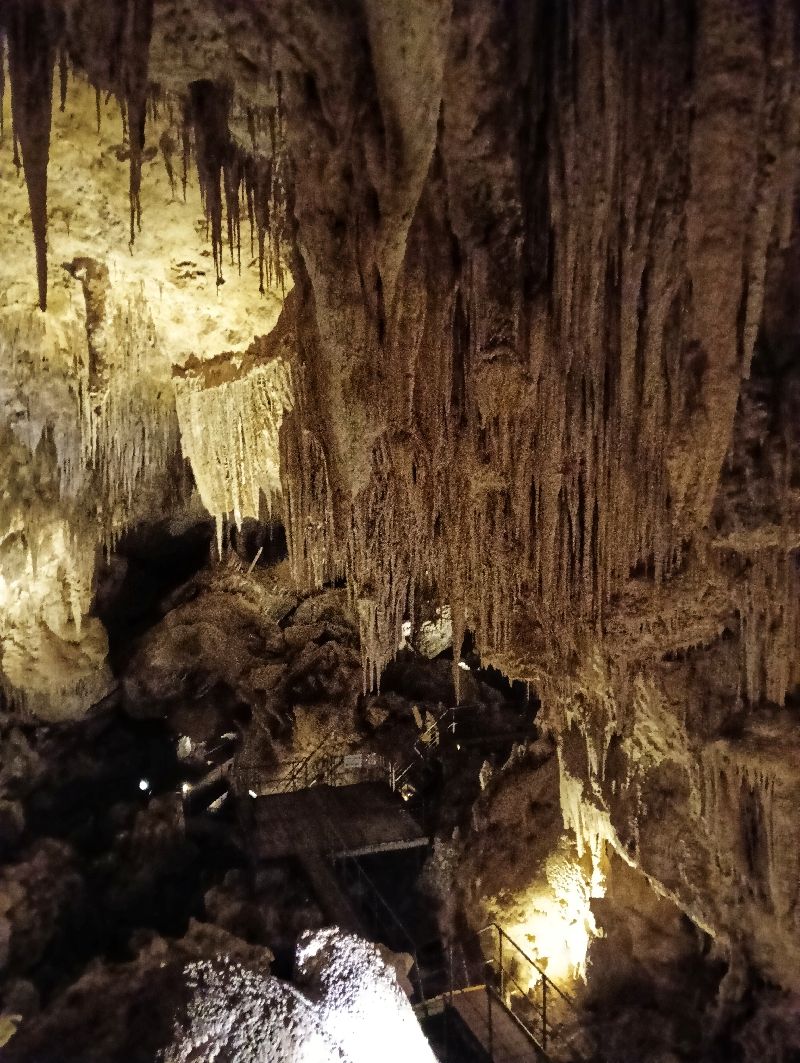
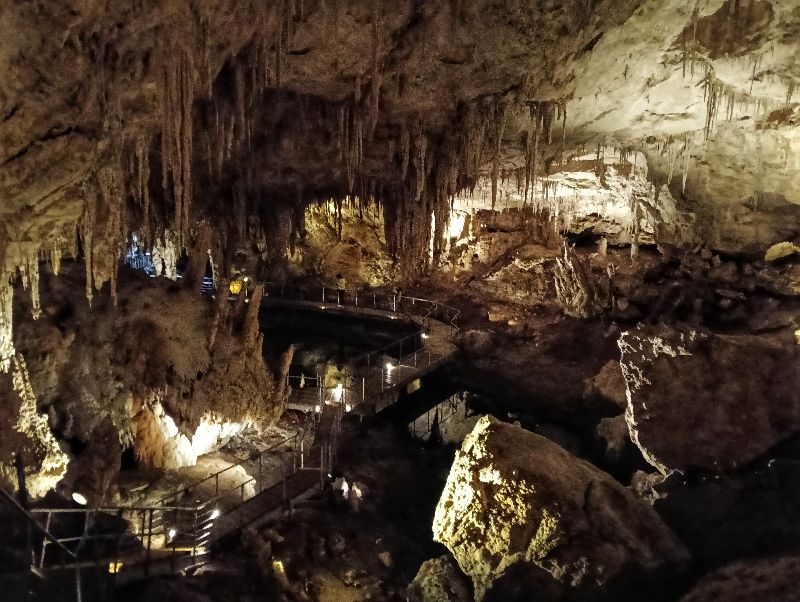
A gently sloping boardwalk and stairs guide you through the cave, where you’ll encounter crystal stalactites, stalagmites, and a seasonal stream that flows through the cave during late winter and early spring.
 ani'kiki' krisnamurti