

The Pinnacles Desert
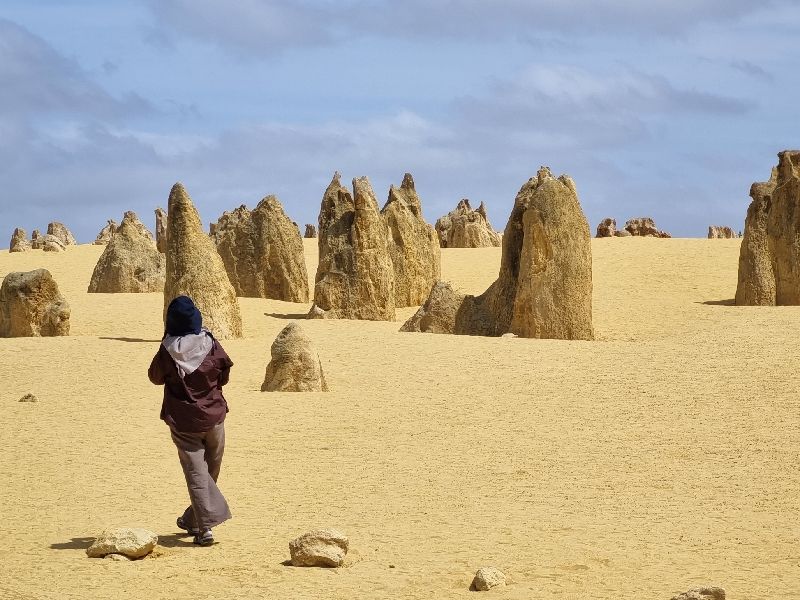
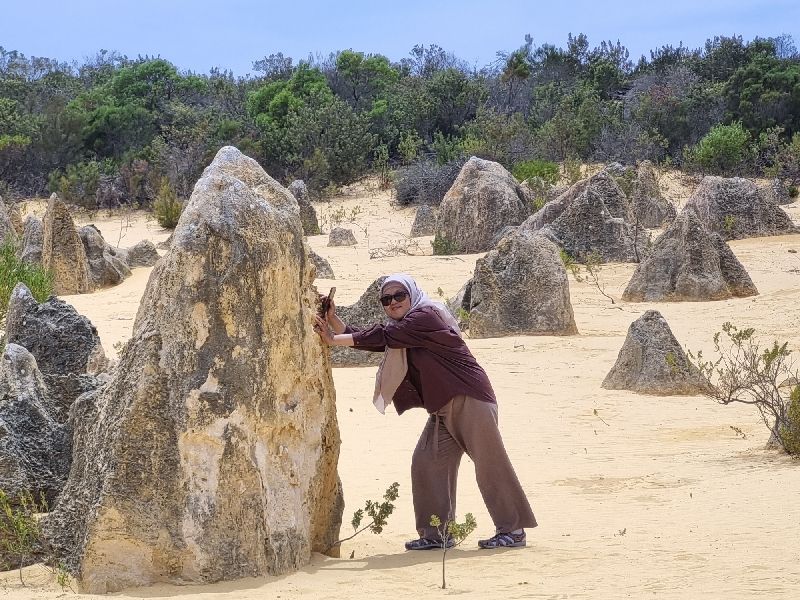
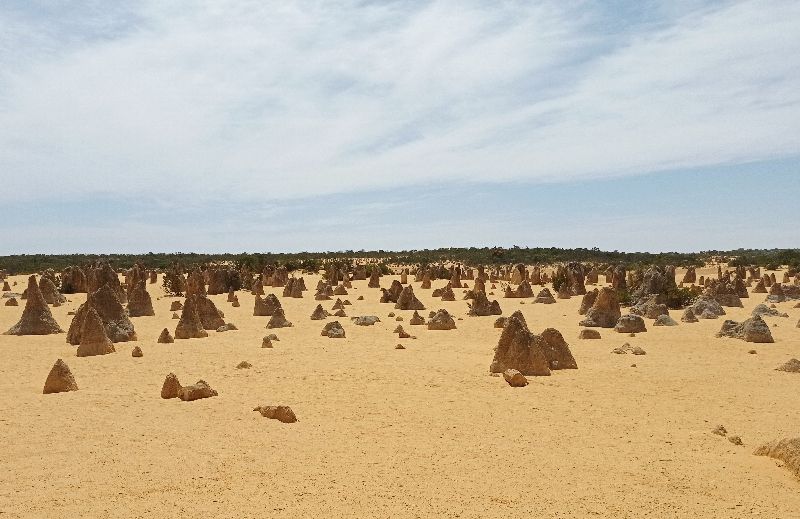
The Pinnacles Desert is a surreal, iconic landscape in Nambung National Park, Western Australia, featuring thousands of unique limestone pillars that rise from golden sand dunes.
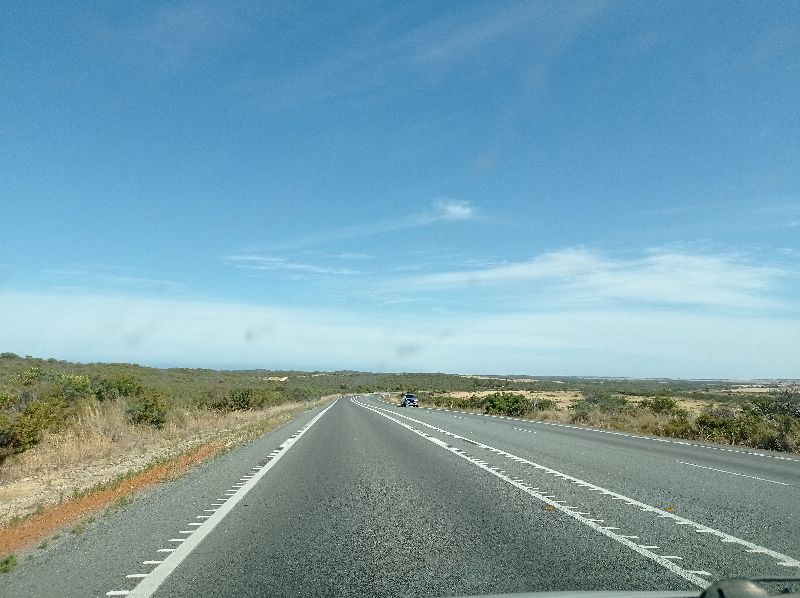
Located about 200 km north of Perth, it was formed from the shells of ancient marine life and offers a scenic drive and walking trails, a Discovery Centre, and night sky viewing opportunities.
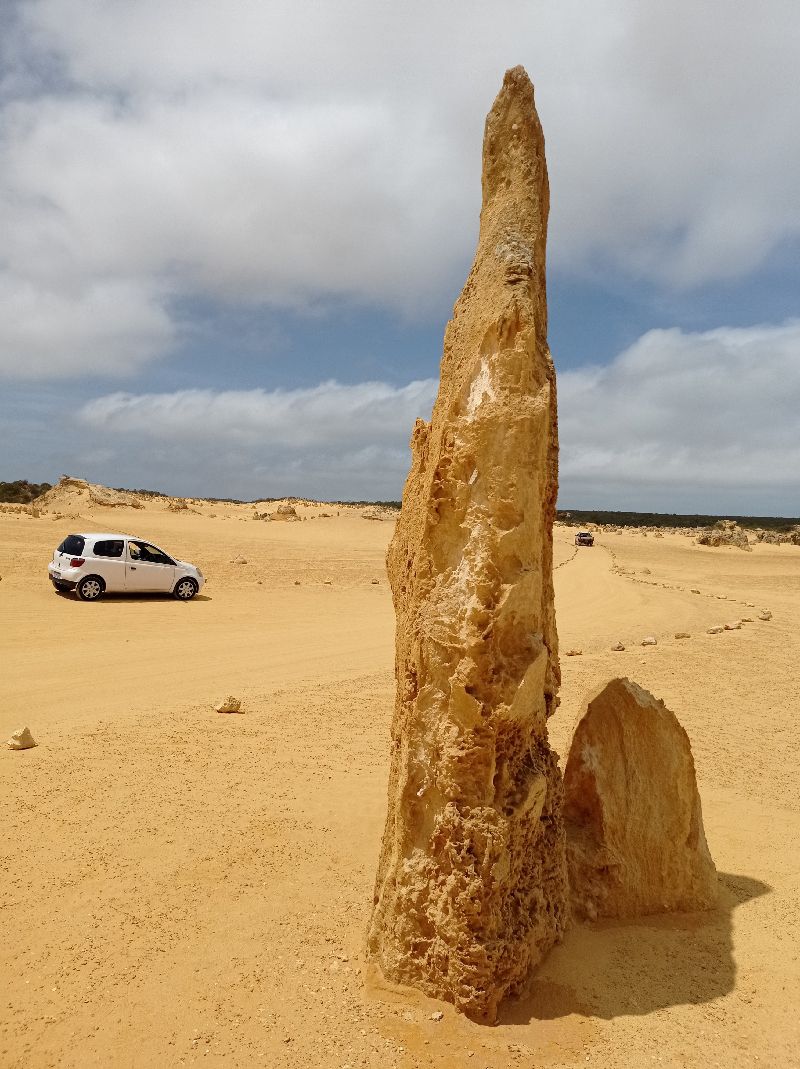
Visitors should respect the pillars, as climbing is not permitted, and be prepared for potentially disorienting conditions
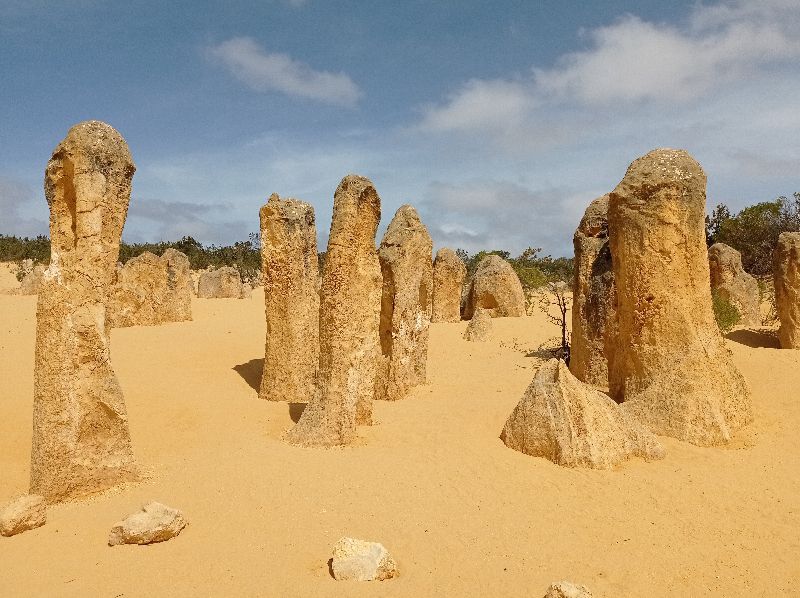
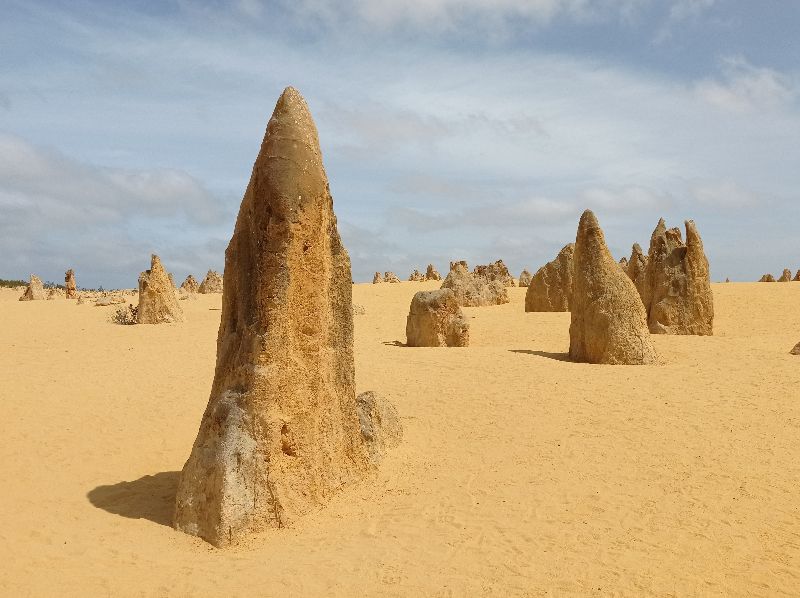
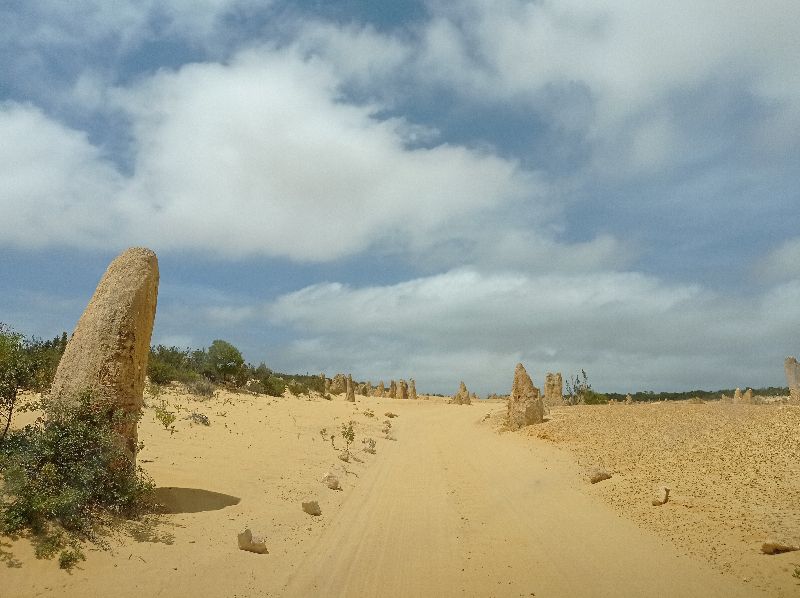
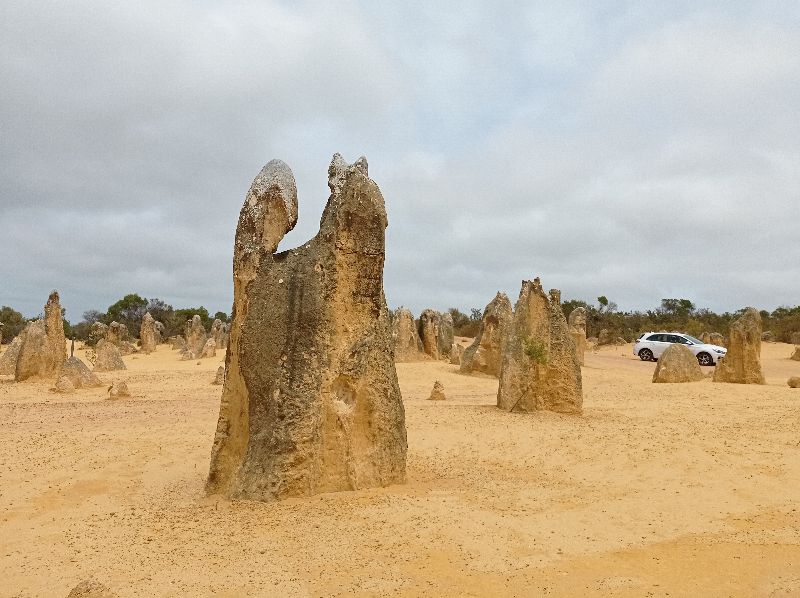
The area contains thousands of weathered limestone pillars. Some of the tallest pinnacles reach heights of up to 3.5 metres (11 ft) above the yellow sand base.
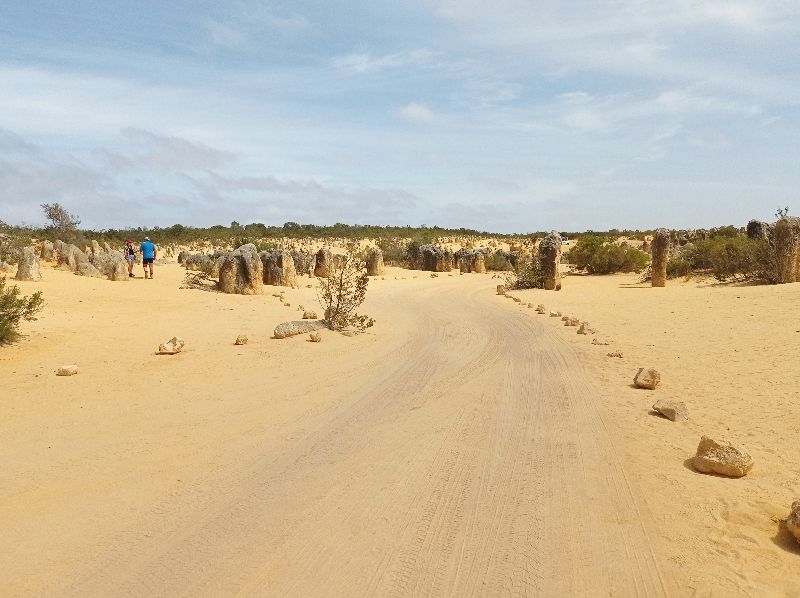
The different types of formations include ones which are much taller than they are wide and resemble columns – suggesting the name of Pinnacles – while others are only a metre (3 ft 3 in) or so in height and width resembling short tombstones.
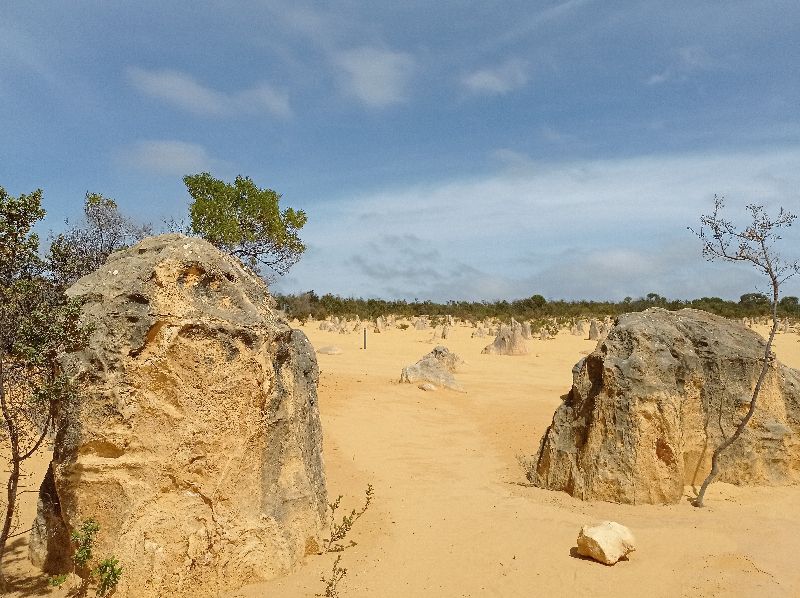
A cross-bedding structure can be observed in many pinnacles where the angle of deposited sand changed suddenly due to changes in prevailing winds during formation of the limestone beds.
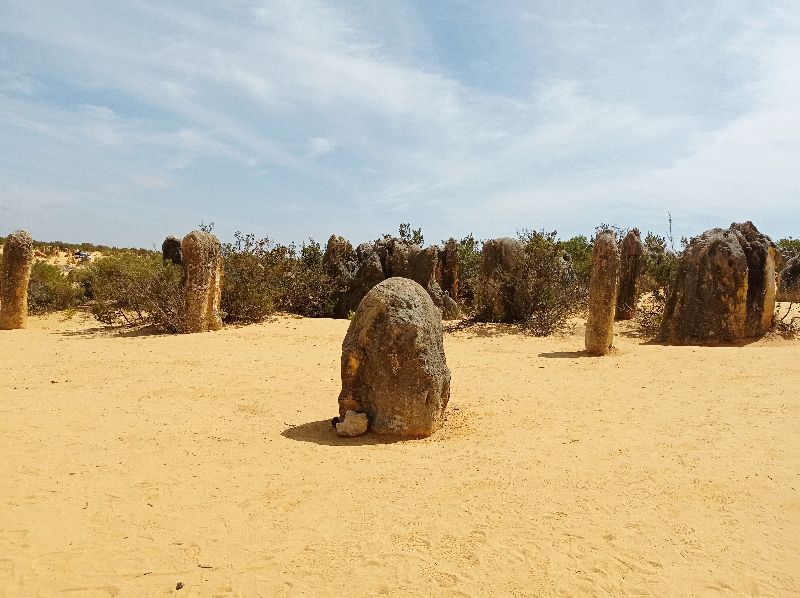
Pinnacles with tops similar to mushrooms are created when the calcrete capping is harder than the limestone layer below it.
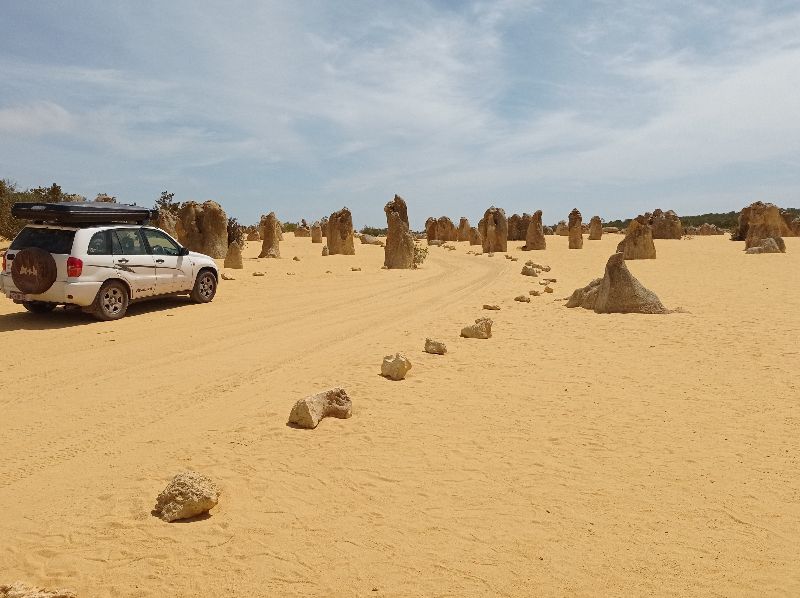
The relatively softer lower layers weather and erode at a faster rate than the top layer leaving behind more material at the top of the pinnacle.
The Pinnacles remained unknown to most Australians until 1967 when the area was gazetted as a reserve, which was later combined with two adjacent reserves to form Nambung National Park in 1994.
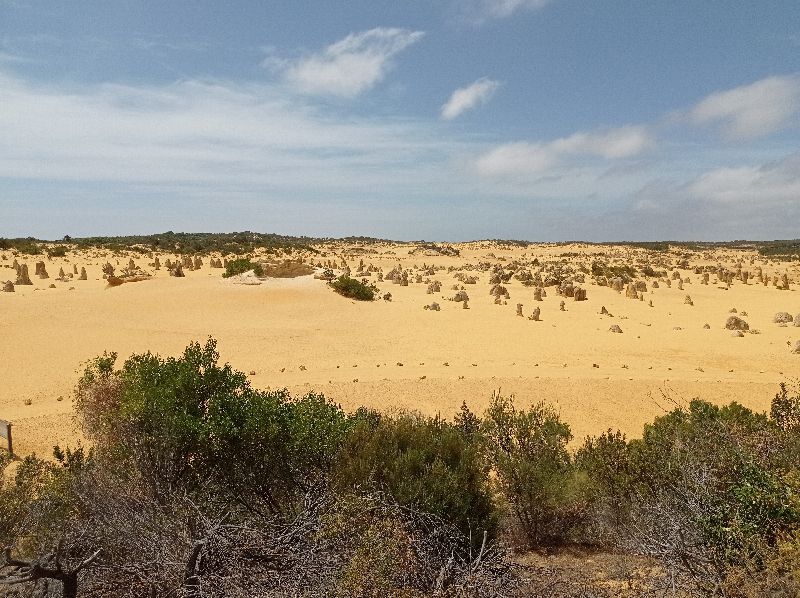
Nambung National Park received about 150,000 visitors a year as of 2011.The Pinnacles Desert Discovery Centre was opened in 2008, offering interpretive displays of the park, both the natural processes that formed the Pinnacles and the biodiversity of the area.
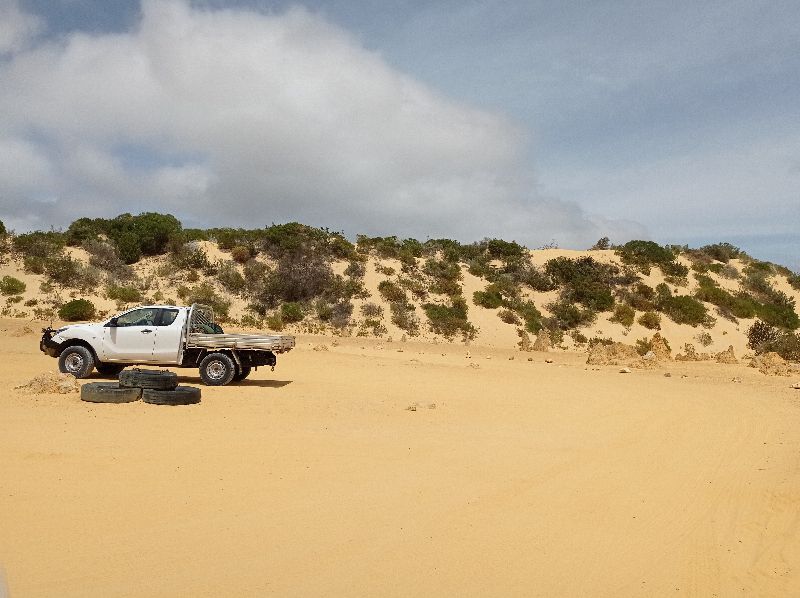
The best season to visit the Pinnacles is in the months of August to October, as the days are mild and wildflowers, along with wattle, begin to bloom in the spring.
No lodging or camping areas are available within Nambung National Park but accommodations can be found in Cervantes.
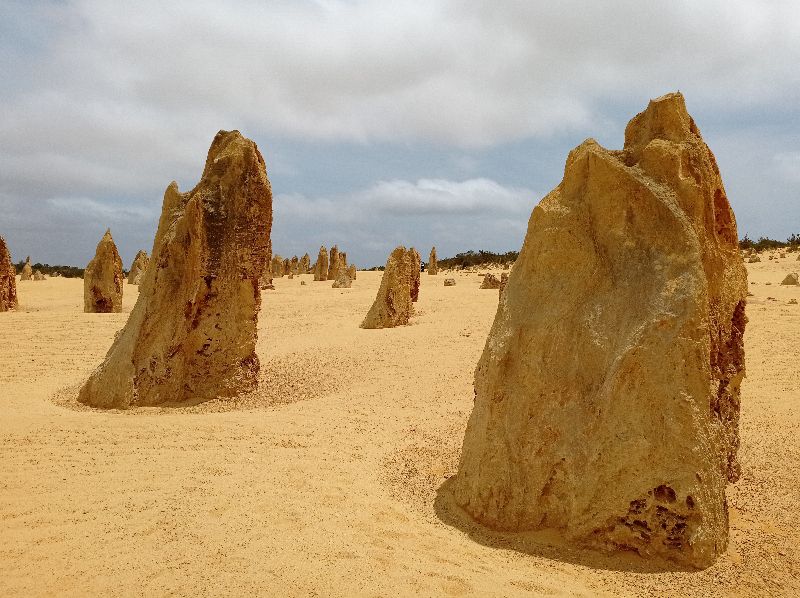
The raw material for the limestone of the Pinnacles came from seashells in an earlier era that was rich in marine life. These shells were broken down into lime-rich sands that were blown inland to form high mobile dunes.
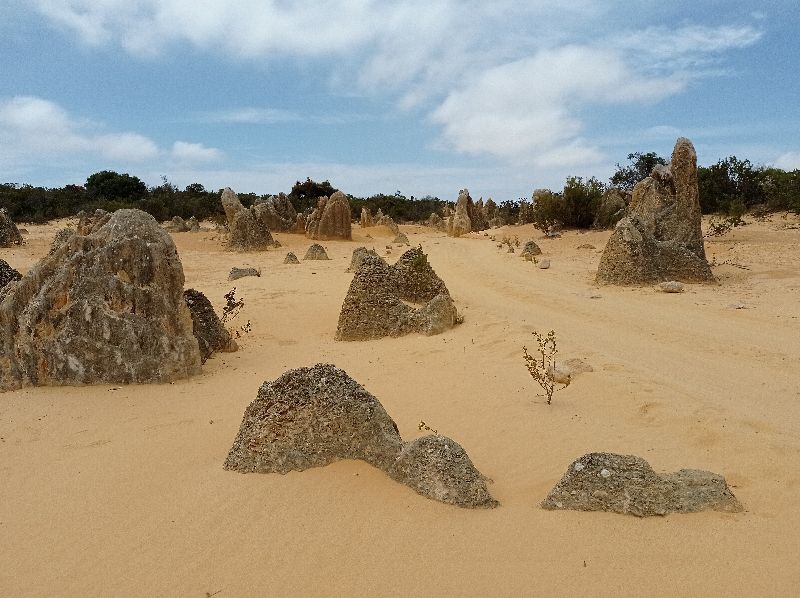
However, the manner in which such raw materials formed the Pinnacles is the subject of debate.
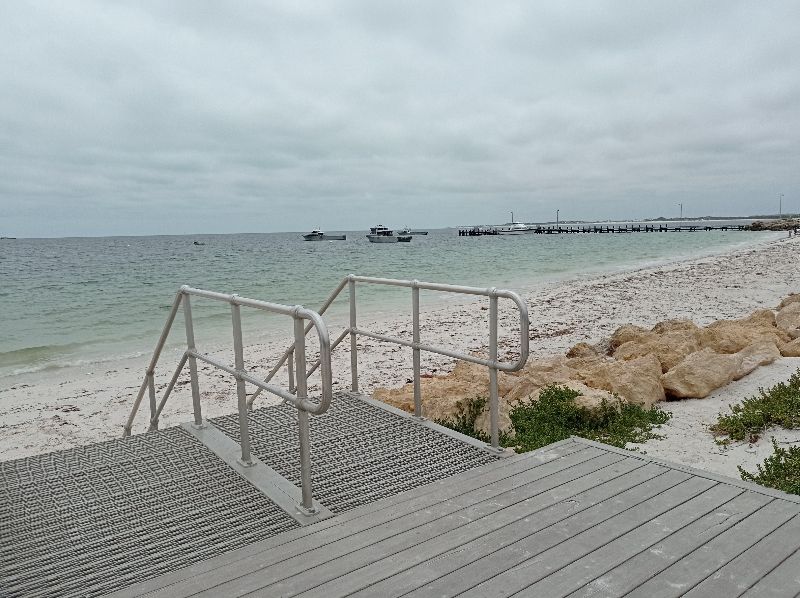
Cervantes



Lancelin
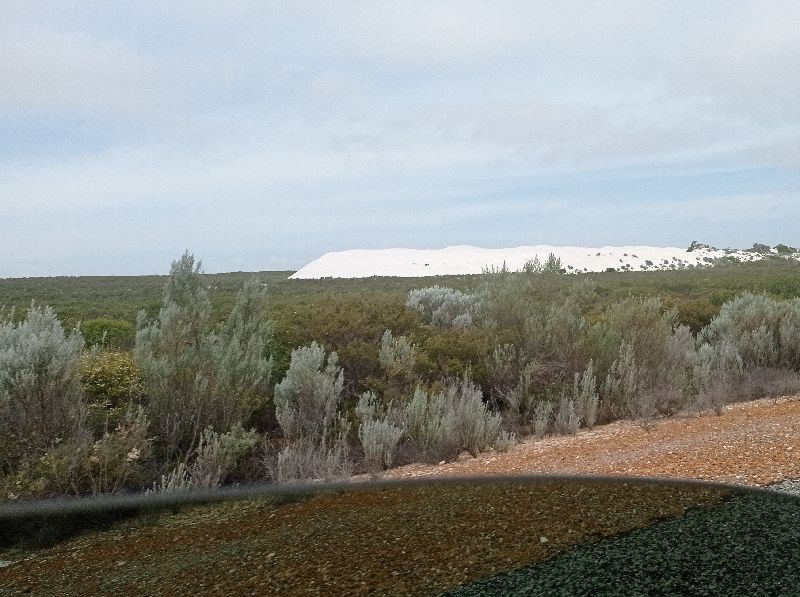



Ledge Point
 ani'kiki' krisnamurti